The science behind the Camino rhythm
Something strange happened to me after about three days of walking my first Camino.
I remember those tentative initial steps like they were yesterday, all 23km from Toulouse to Léguevin. Never had I walked anywhere near as far in one day.
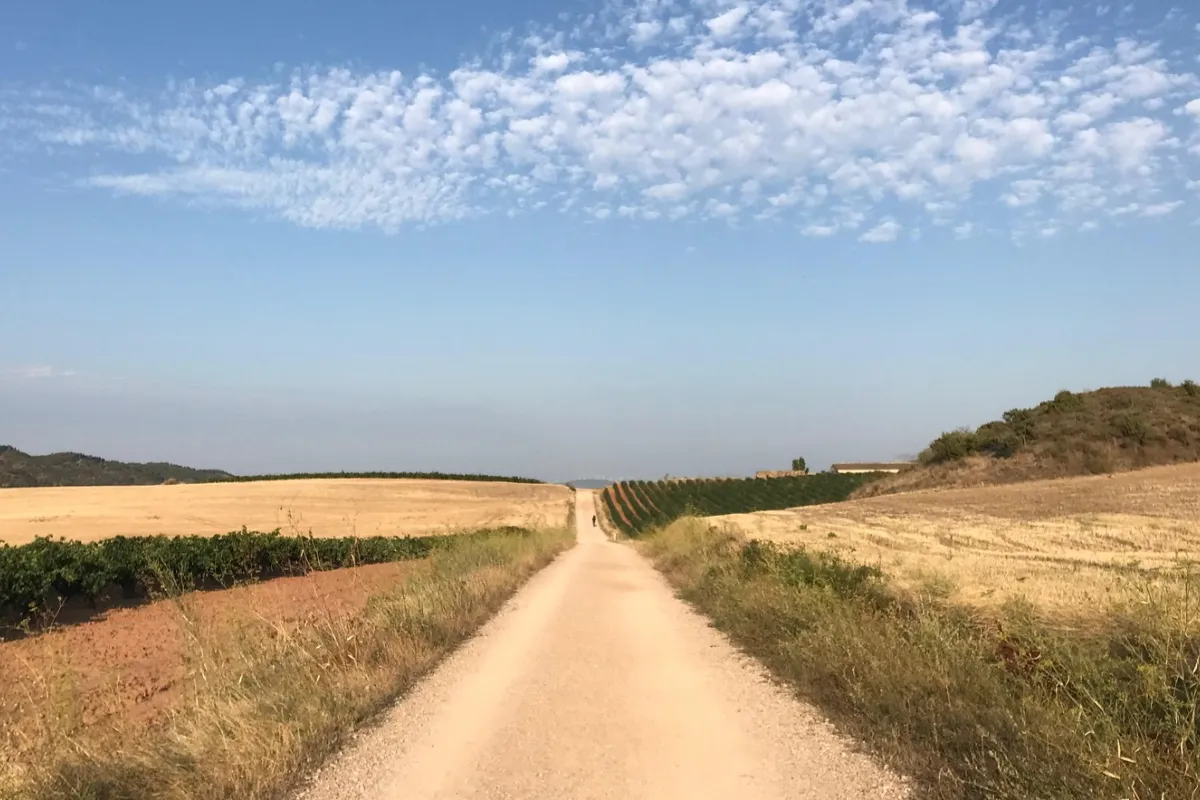
The next day was even tougher, almost 30km through the vineyards and picturesque villages of southern France.
Every bench was my friend for the last 5km, which seemed to take forever on the bruised feet inside my heavy boots.
But again, the goal was achieved. And I sprung from bed the next morning, not leaden with aches and pains but rinsed with excitement for what today's kilometres would bring.
Unbeknownst to me, my body and mind had already become attached to the daily Camino rhythm.
Science explains this in a neuro-chemical vernacular with words like endorphins, endogenous opioids, endocannabinoids and blood-brain barrier.
Here's what's actually happening.
Exercise is a controlled form of physical stress. When we do this for long periods, let's say over 20-plus kilometres of walking on a regular Camino day, we're prone to sore muscles, increased body temperature, increased energy demands, pain, discomfort and just general exhaustion.
So the body counters this with a chemical reaction aimed at numbing pain and altering mood. Feelings of wellbeing, calmness or even euphoria often present.
This only enhances at times of magnified accomplishment, like cresting a massive hill after a brutal climb, or walking into that last village for the day where a shower, a hot meal and a cold beer are now only minutes away.
Try this. Find the closest hill to where you live, and go and climb it.
Note your mood a minute before reaching the top, and five seconds after you've summited. It's a phenomenally rapid and powerful change.
The Camino de Santiago seems inconquerable when considered on paper. Whether it's the 112km from Sarria to Santiago, or the entire 800km of the Camino Francés, chances are these are distances you've never considered walking in one continuous journey.
Yet you will develop your own Camino rhythm. Multiple cycles each day of challenge, effort and then reward.
It's addictive.